The Ways Mental Health Plays An Important Part in the Wedding Industry
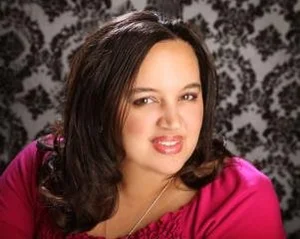
Featuring Anansia Leslie-Bailey on ABC Weddings Unveiled
Weddings are often described as one of the happiest days of a couple’s life—but behind the beauty, celebration, and carefully curated details, there is often something deeper happening.
Emotions. Expectations. Family dynamics. Cultural identity.
In a recent episode of ABC Weddings Unveiled, we sat down with Registered Psychotherapist Anansia Leslie-Bailey, founder of I Do Therapy, to explore how mental health and emotional awareness play a critical role in the wedding planning process—and what wedding professionals need to understand to truly support their clients.
Weddings Are More Than Events—They’re Emotional Experiences
As Anansia explains, weddings are not just logistical productions. They are deeply personal milestones that often bring multiple identities and expectations into one space.
Couples may be navigating:
Cultural traditions and family expectations
Religious or spiritual values
Immigration or generational differences
Gender identity or sexuality
Financial pressures and family contributions
These layers don’t always show up clearly—but they always exist.
For planners and vendors, this means that what appears on the surface as indecision, stress, or even conflict may actually be something much deeper.
What Are “Intersecting Identities”—and Why Do They Matter?
One of the key concepts discussed in the episode is intersecting identities.
This refers to the multiple aspects of a person’s identity—such as race, culture, religion, and lived experience—that overlap and shape how they move through the world.
In weddings, this can look like:
A couple blending two cultures or traditions
Navigating differing expectations between families
Balancing modern values with traditional practices
Managing pressure to “perform” a wedding in a certain way
Understanding this helps wedding professionals move from judgment to empathy—and from assumption to awareness.
When “Difficult Clients” Aren’t What They Seem
One of the most powerful takeaways from this conversation is this:
Not every “difficult” client is difficult—some are overwhelmed, unheard, or navigating complex emotional dynamics.
When couples feel:
Pulled between family expectations
Uncertain about cultural traditions
Emotionally exhausted from decision-making
…it can show up as frustration, indecision, or tension.
The shift for wedding professionals is simple—but transformative:
Instead of reacting, get curious.
Inclusion Goes Beyond Representation
Many businesses today focus on diversity in marketing—but inclusion requires more than visuals.
True inclusion shows up in:
How you communicate
How you ask questions
How you respond to stress or conflict
How you hold space for different experiences
It’s not just about who you serve—it’s about how you serve them.
What Does a Trauma-Informed Approach Look Like?
Let’s be clear: wedding professionals are not therapists—and shouldn’t try to be.
But you can be trauma-informed.
That means:
Creating a safe, respectful environment
Avoiding assumptions or dismissive language
Being mindful of emotional triggers or sensitive topics
Communicating clearly and calmly
Maintaining professional boundaries
It’s about awareness—not diagnosis.
Simple Ways to Support Couples Better
You don’t need a psychology degree to improve your client experience. Start here:
✔ Ask open-ended, respectful questions
✔ Avoid labeling clients as “difficult”
✔ Build flexibility into your communication style
✔ Recognize when family dynamics are influencing decisions
✔ Stay grounded and professional—even in emotional moments
Small shifts can create a completely different experience for your clients.
Don’t Forget Your Own Wellbeing
Supporting others emotionally can be draining—especially in high-pressure environments like weddings.
Anansia reminds us that emotional intelligence includes:
Setting boundaries
Knowing your role
Not absorbing client stress
Creating space for your own recovery
Healthy professionals create healthier client experiences.
The One Mindset Shift That Changes Everything
If there’s one takeaway from this episode, it’s this:
👉 Weddings are not just about execution—they’re about people.
When wedding professionals lead with empathy, awareness, and intention, they don’t just produce beautiful events—they create meaningful, supportive experiences that couples will remember long after the day is over.
Listen to the Full Episode
Want to go deeper into this conversation?
Tune in to this episode of Behind the Weddings featuring Anansia Leslie-Bailey to learn how to:
Support multicultural couples with confidence
Communicate with emotional intelligence
Create inclusive, respectful wedding experiences
Protect your own mental wellbeing while serving others
About the Guest
Anansia Leslie-Bailey is a Registered Psychotherapist and the founder of I Do Therapy, where she supports individuals, couples, and wedding professionals in navigating the intersection of love, identity, and mental health. She offers consultations and training designed to help industry professionals integrate emotional awareness into their work.
Final Thought
At the Association of Bridal Consultants, we believe that professionalism isn’t just about execution—it’s about awareness, respect, and care.
Because the best weddings aren’t just well-planned…
they’re well felt.